
Ornamental Stones – The Stone Rock Shop Stop
We Are the Wide-World of Ornamental Stones
Nature’s Beauty in Every Stone
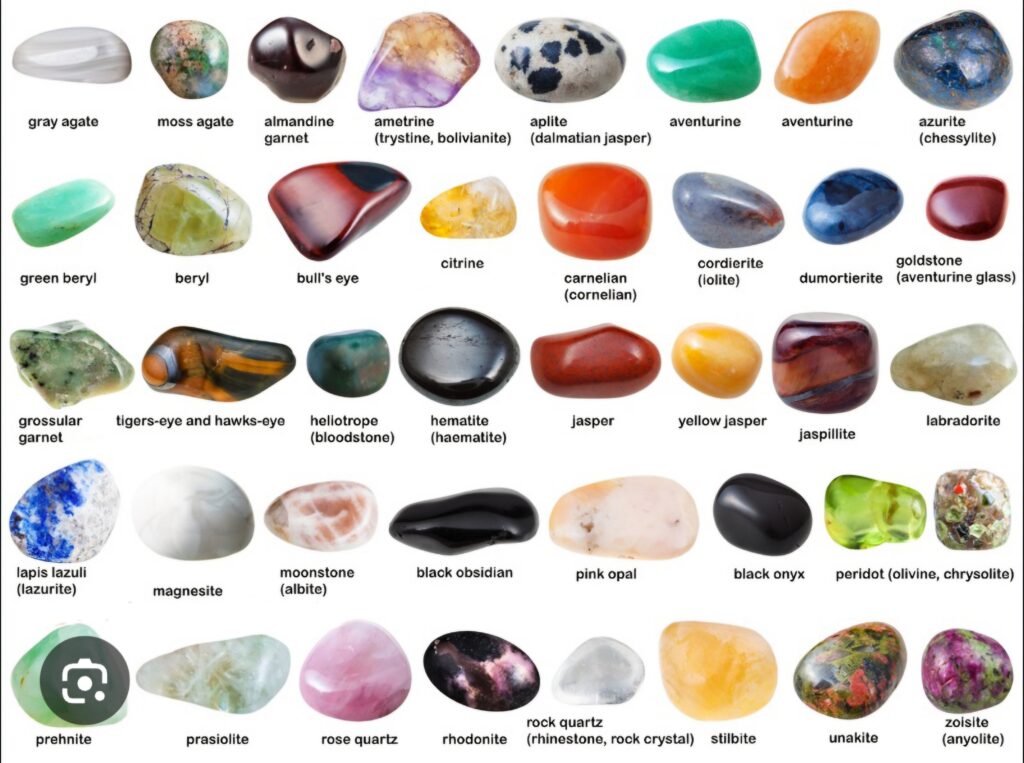
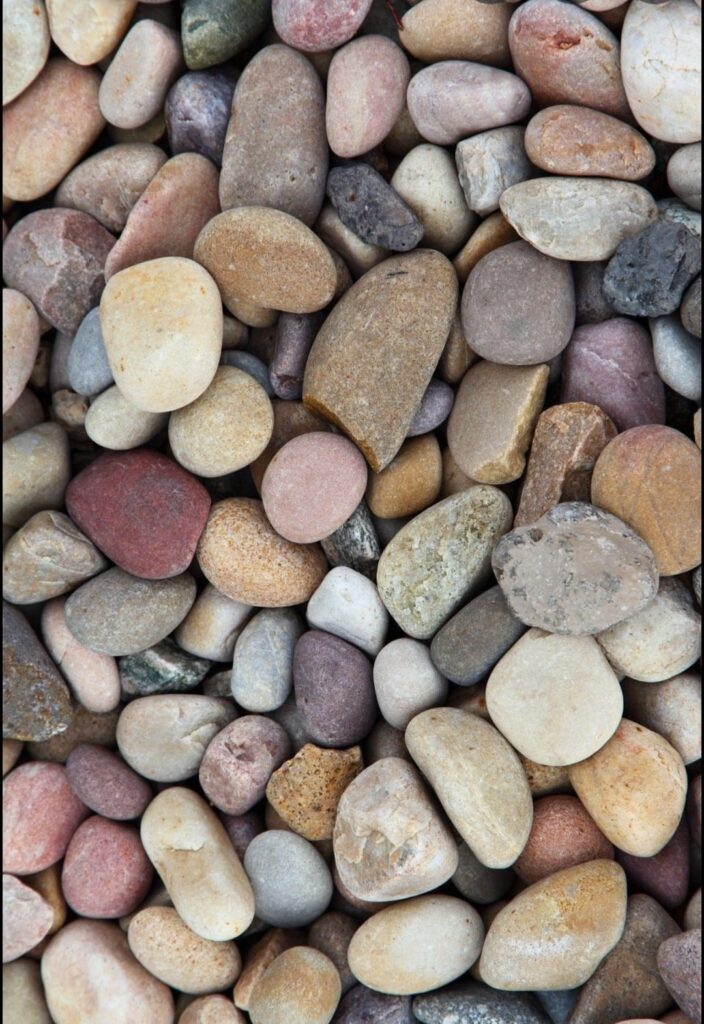
Bring millions of years of natural beauty into your home, garden, office, or collection with our curated selection of petrified wood, crystals, and unique ornamental stones and rocks. We make available high-quality, all natural, unique – one of a kind stones for collectors, decorators, aquascapers, businesses, educators, individuals, and organizations seeking historic pieces of Earth, durable treasures.
Exploring for Ornamental Stones
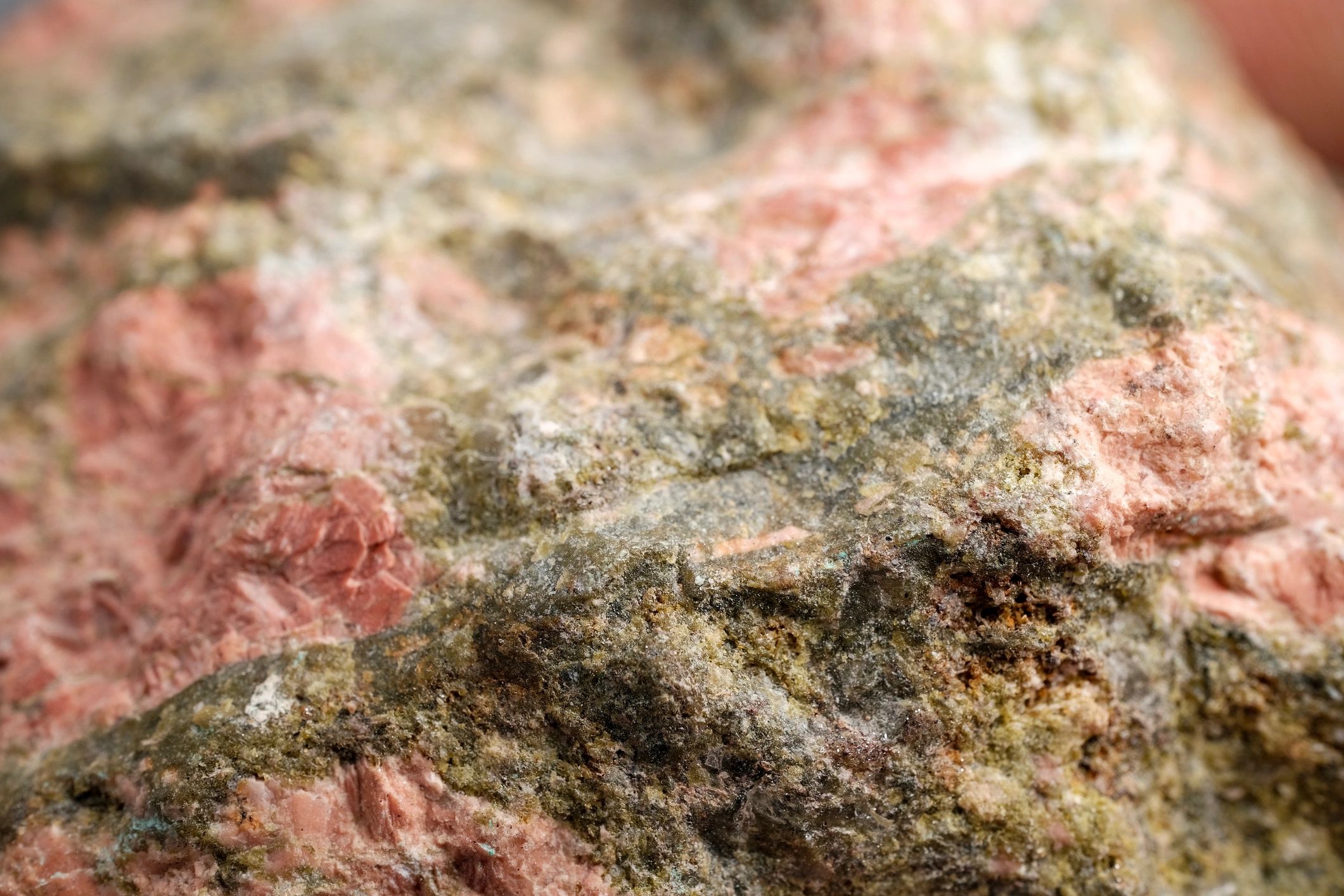
Overview
Start here for the big picture: what we collect, how the site is organized, and how to use the guides.
Origins
Browse stones by country and region, then follow each place into geology, history, and common materials.
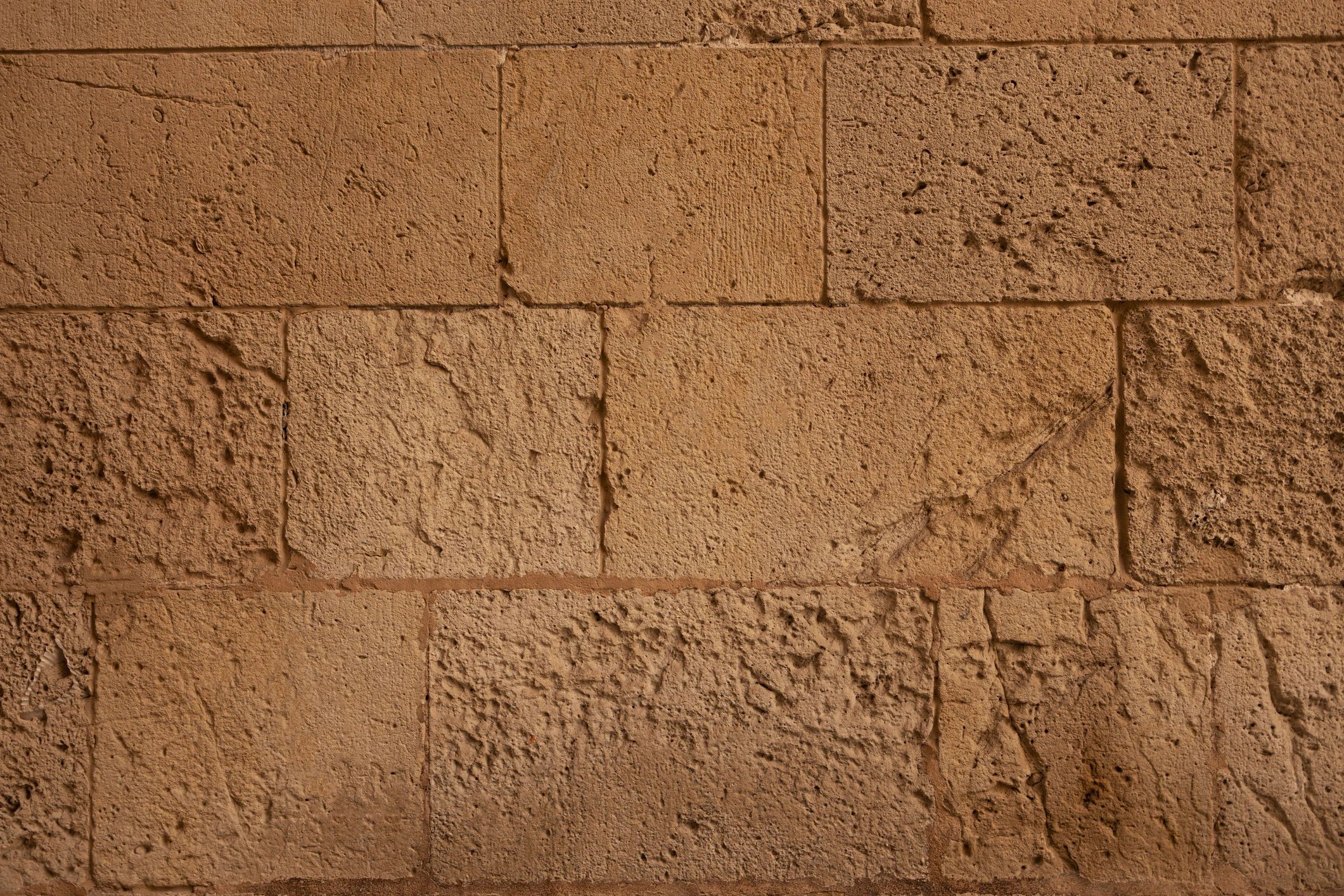
Geology
Understand rocks, minerals, and processes—organized for identification and real-world use.
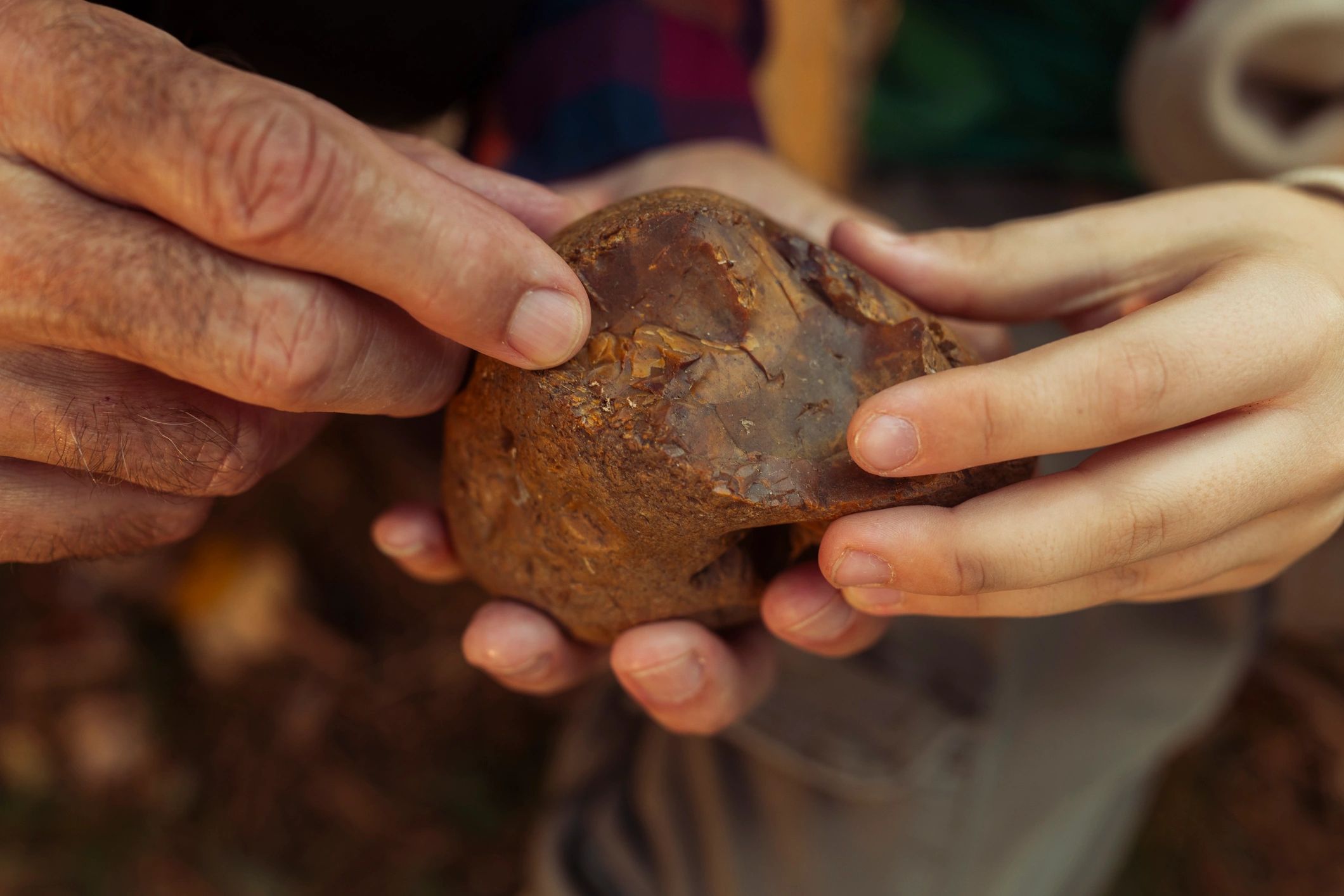
Archaeology
Learn how stone was selected, worked, traded, and dated—then apply those clues to identification.
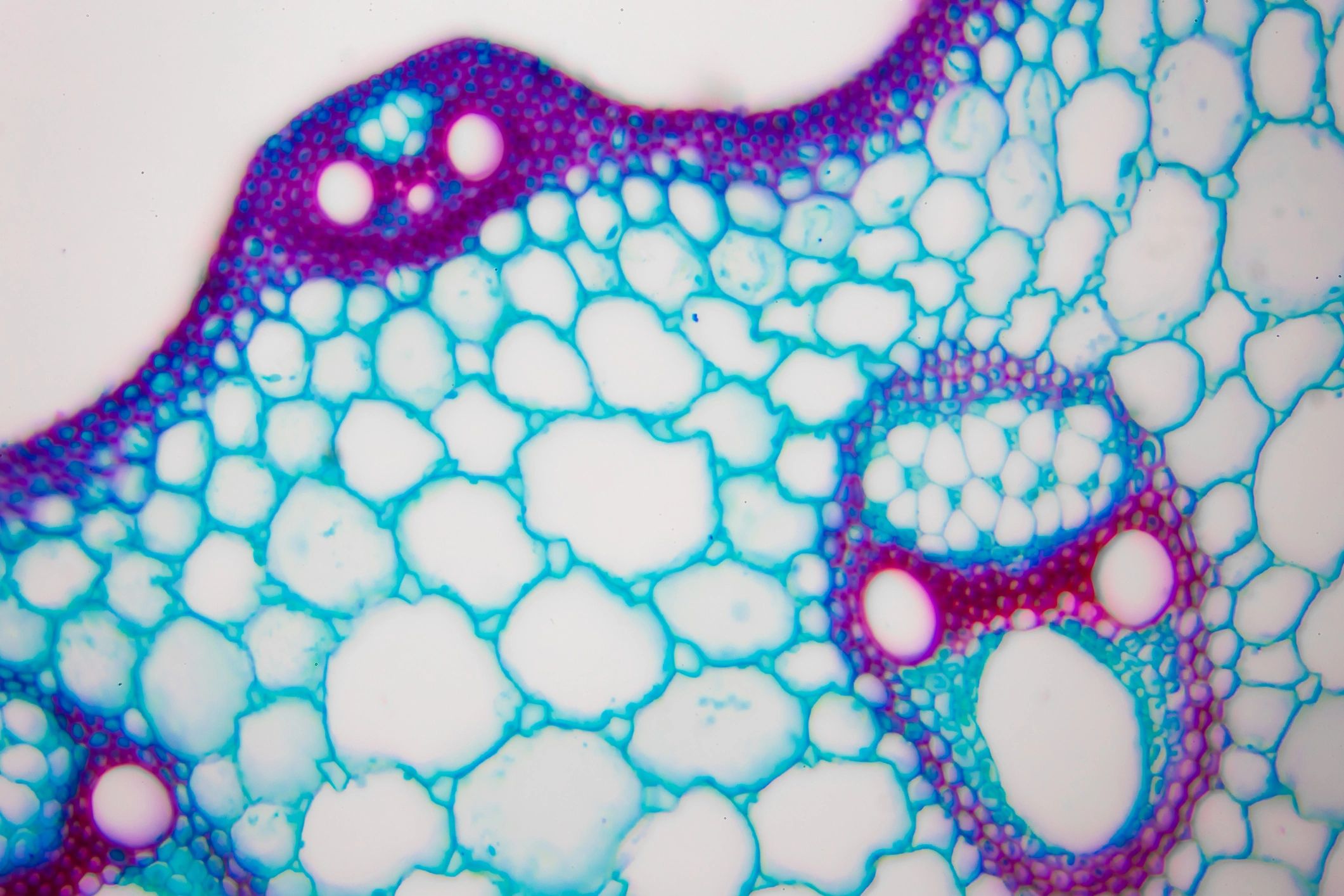
Stone Science
For deeper study: classification, mineral properties, rock cycle, textures, and a working glossary.
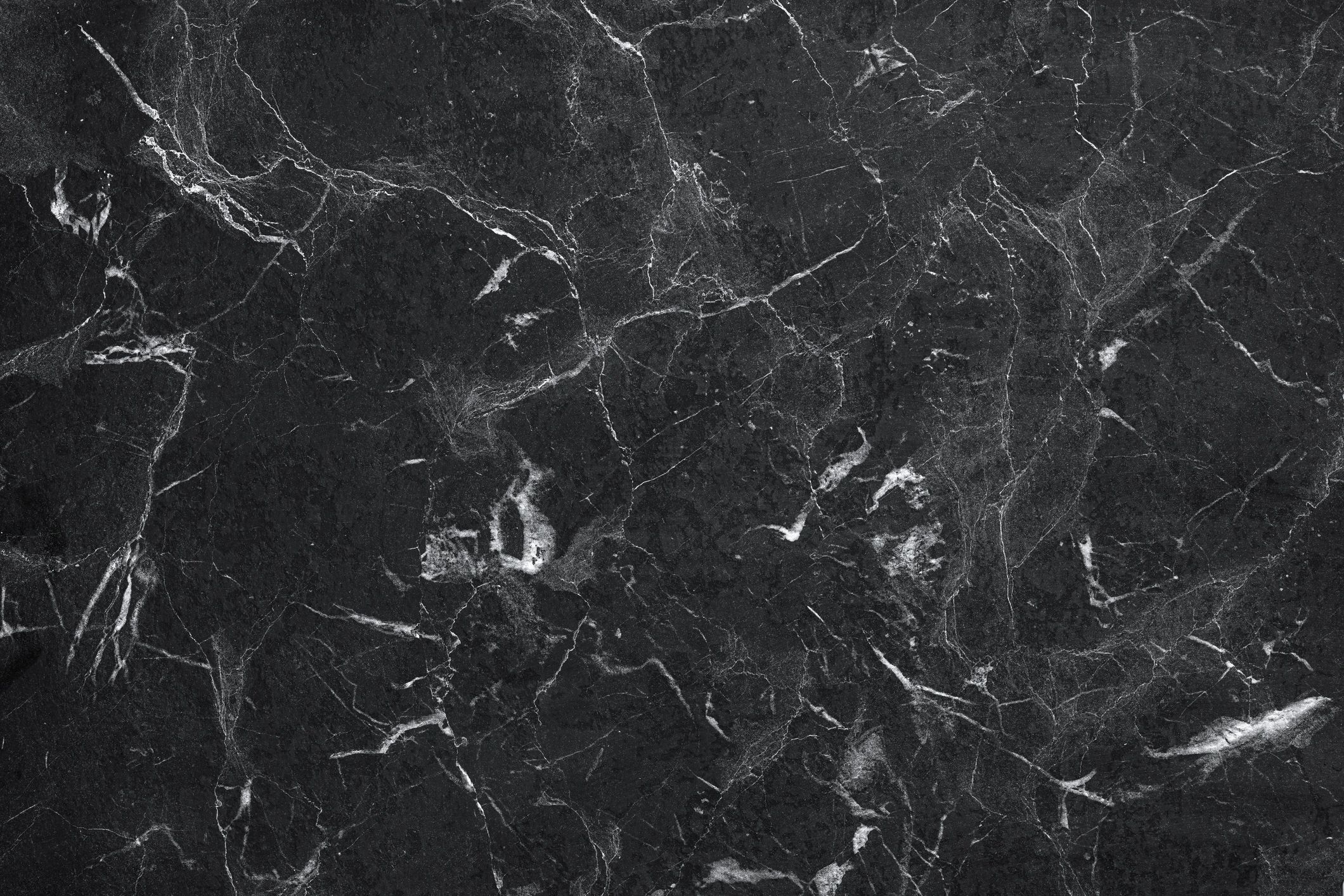
Natural Stones
A curated guide to natural stone categories—what they are, how they’re used, and common lookalikes.
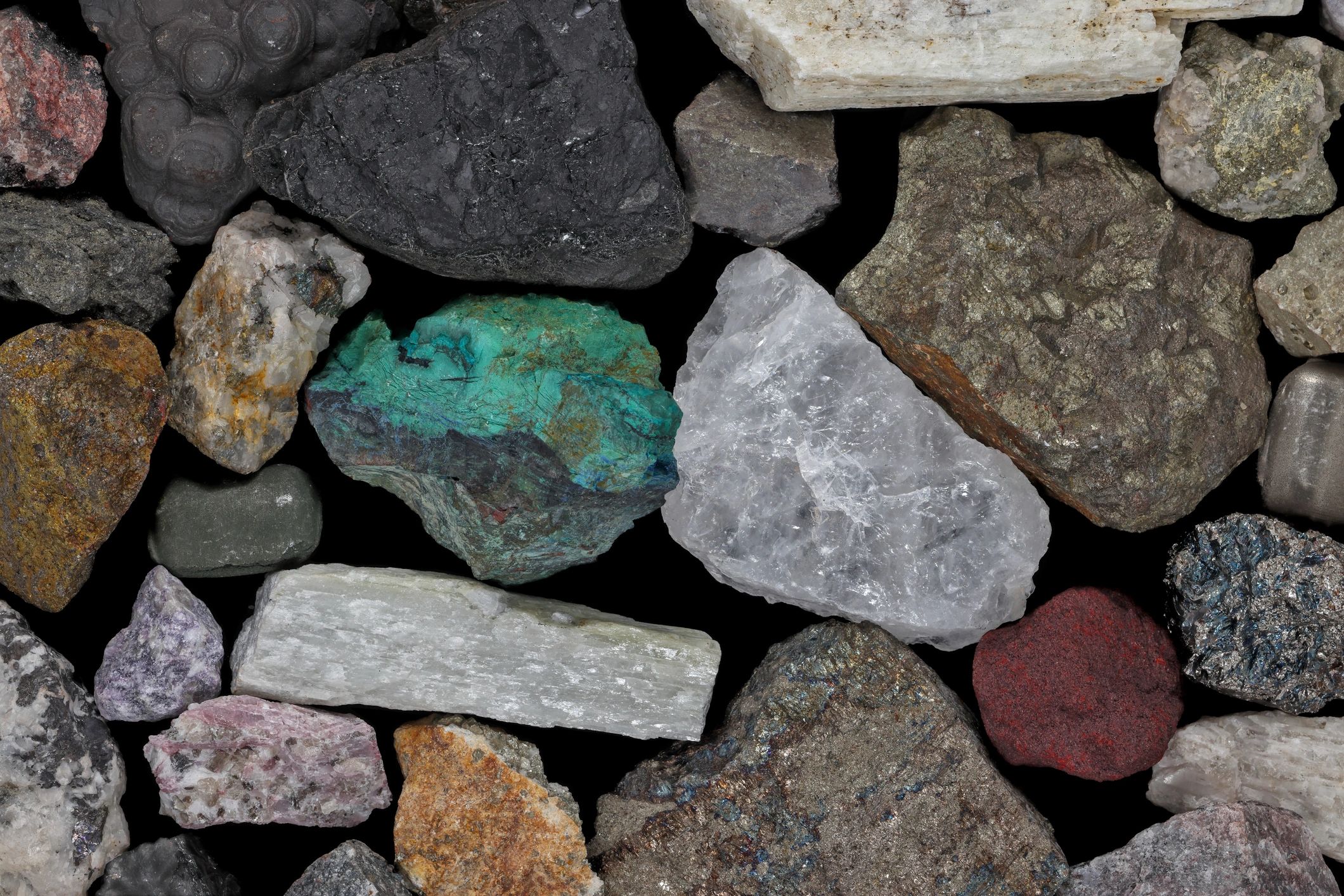
Indigenous Peoples
Context for stone use, place, and knowledge—approached with respect and careful sourcing.
FAQ’s
Quick answers across stone types, regions, terminology, and buying/collecting basics.
Moving Forward With Ornamental Stone Exploration
Ornamental Stones is built as a practical reference: you can start with a place (Origins), a question (FAQ’s), or a specimen in hand (Identification Methods). Each path is designed to connect back to the same fundamentals—materials, textures, mineral properties, and context—so you can name stones more confidently and understand what you’re looking at.
If you’re new, begin with the Overview. If you’re building a collection, the Shop is curated to stay educational-first: listings are meant to support learning, comparison, and responsible collecting.
Browse by Origin
Origin is a clue: it narrows likely rock types, points to known deposits, and connects stones to trade and use. Use Origins Overview to understand how we organize countries, regions, and state hubs.
Archaeology: Stone in Human Hands
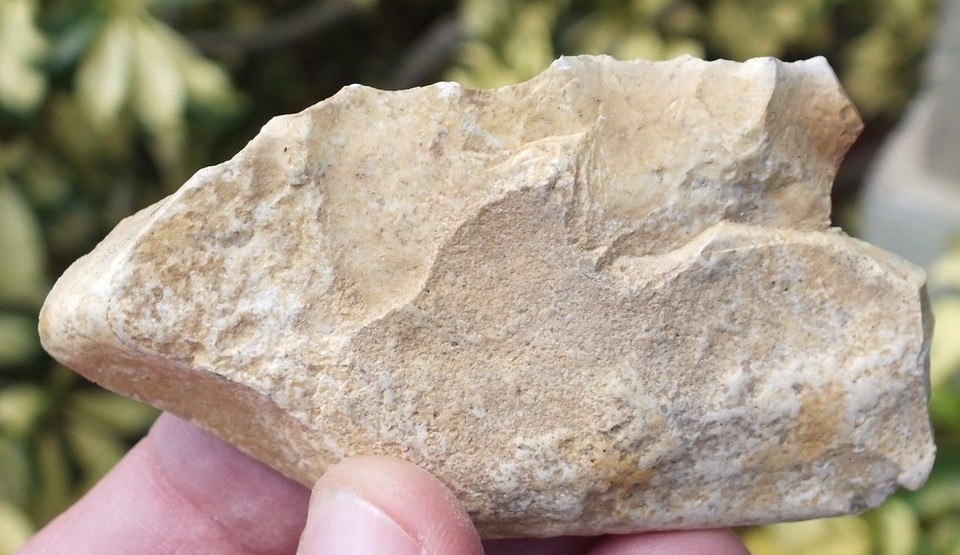
Archaeology helps answer a different set of questions: how stone was chosen, shaped, traded, and dated. If you’re trying to identify a worked piece—or understand why a material appears in a certain place—these pages connect tools, materials, and time.
Geology: From Minerals to Processes
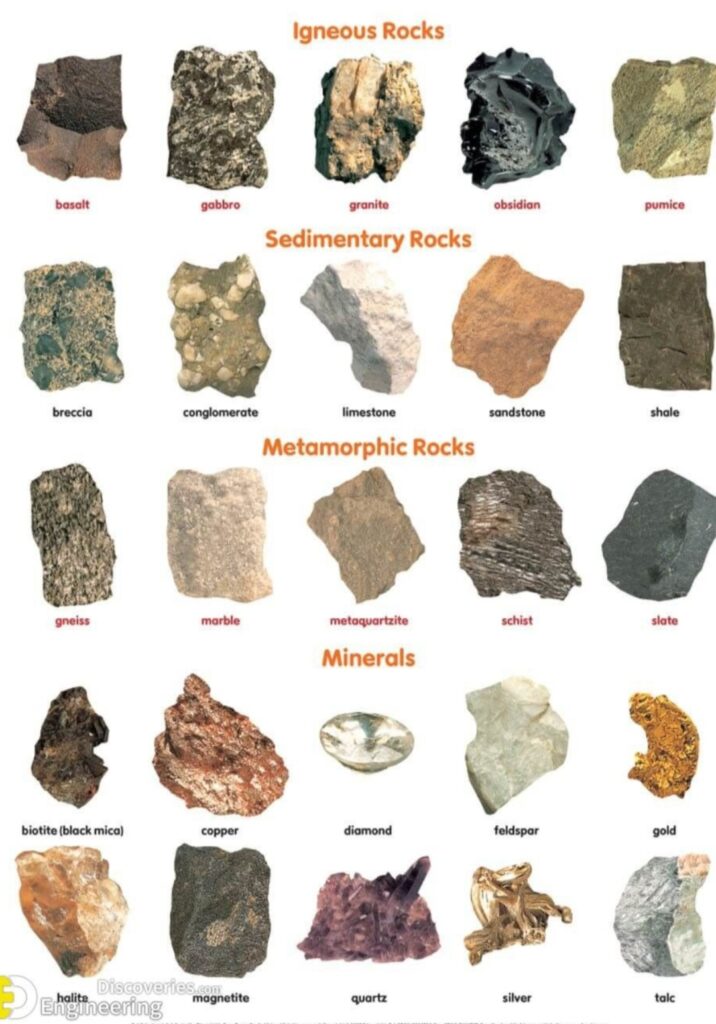
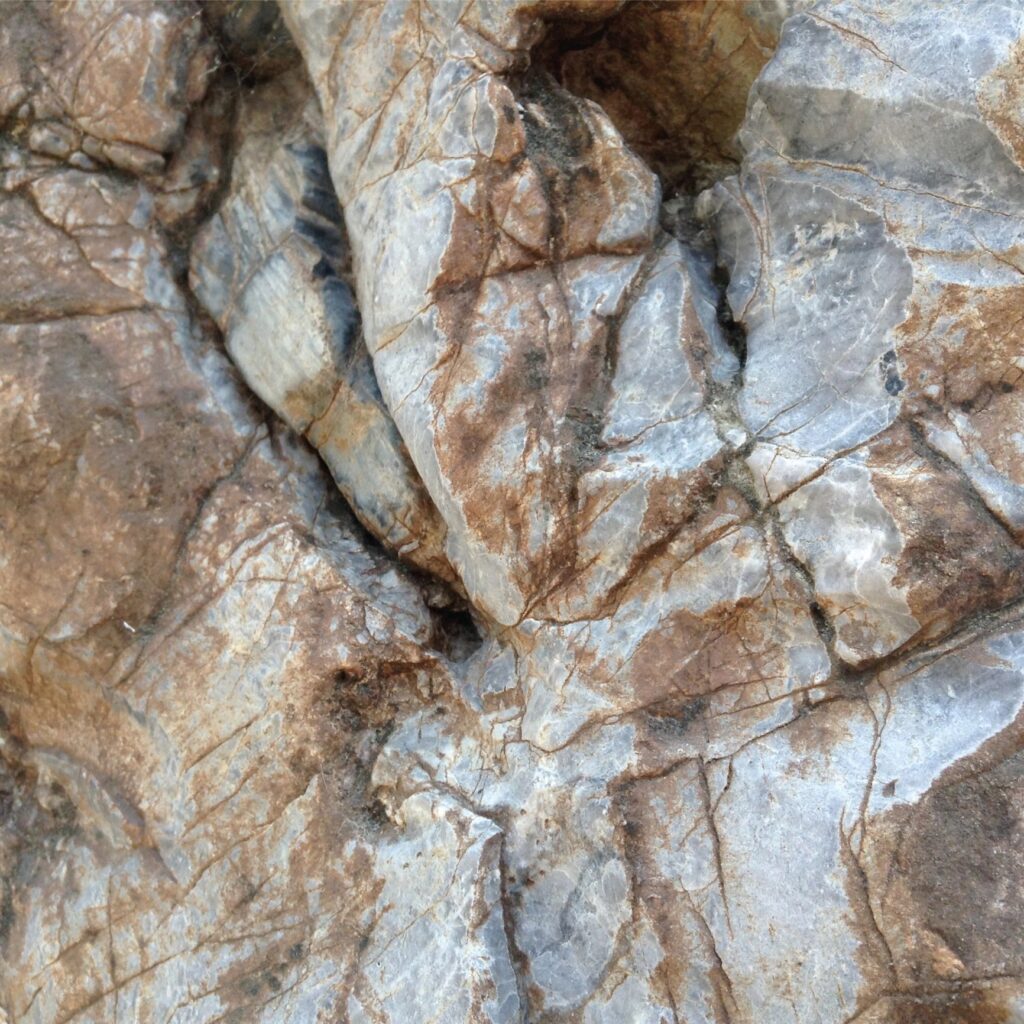
Geology is organized materials-first: start with the difference between rocks vs. stones, then move into textures, mineral properties, and the processes that create igneous, sedimentary, and metamorphic rocks.
Stone Science: A Deeper Reference
Stone Science is where we keep the more technical reference material—use it when you want definitions, classification, or a more formal explanation of mineral properties and rock-forming processes.
Stone Types (Anchor Set)
A working set of 15 stones used throughout our guides. (Stone-type pages are coming—these tiles currently jump to Shop.)
- Marble — classic metamorphic building stone
- Granite — durable igneous rock with visible grains
- Limestone / Travertine — carbonate stone, often fossil-rich
- Slate — fine-grained metamorphic stone that splits cleanly
- Basalt — dark volcanic rock, dense and tough
- Sandstone — sedimentary rock made of sand grains
- Jade — tough ornamental stone (jadeite/nephrite)
- Lapis Lazuli — deep blue rock used for pigment and jewelry
- Turquoise — blue-green phosphate mineral, often veined
- Obsidian — volcanic glass with sharp fracture
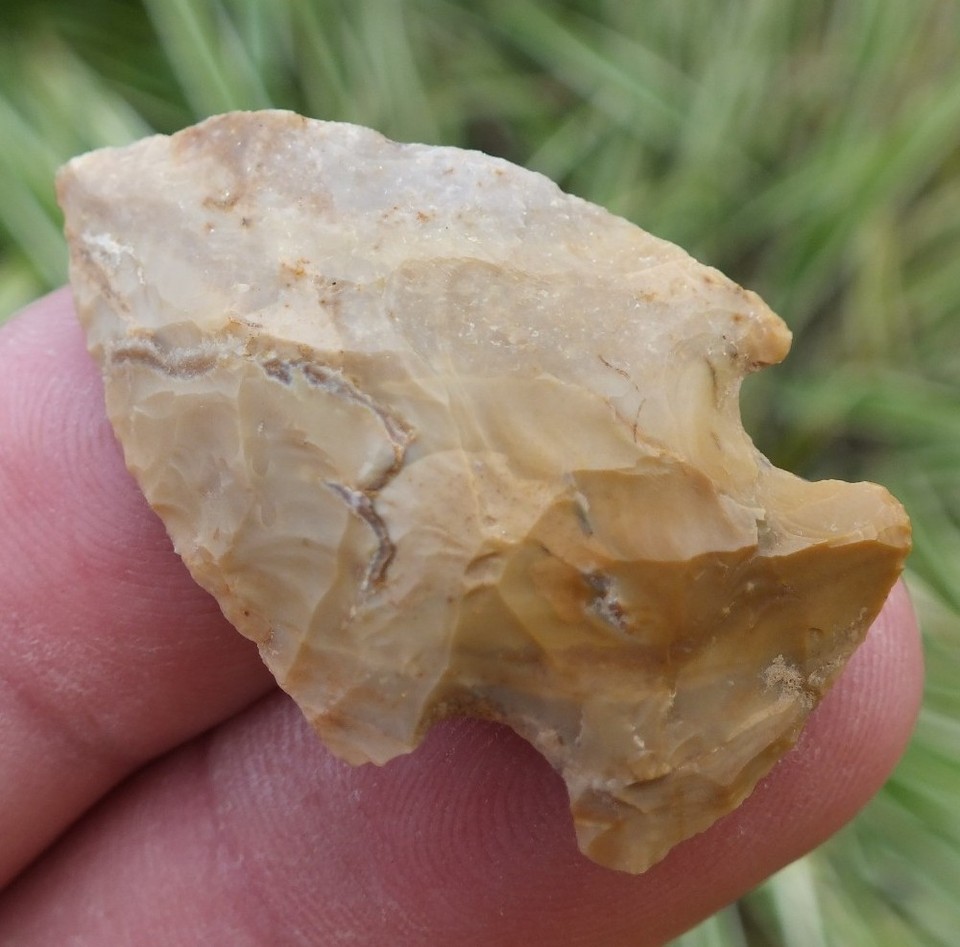
- Flint / Chert — microcrystalline quartz used for tools
- Agate — banded chalcedony, often translucent
- Amethyst — purple quartz variety
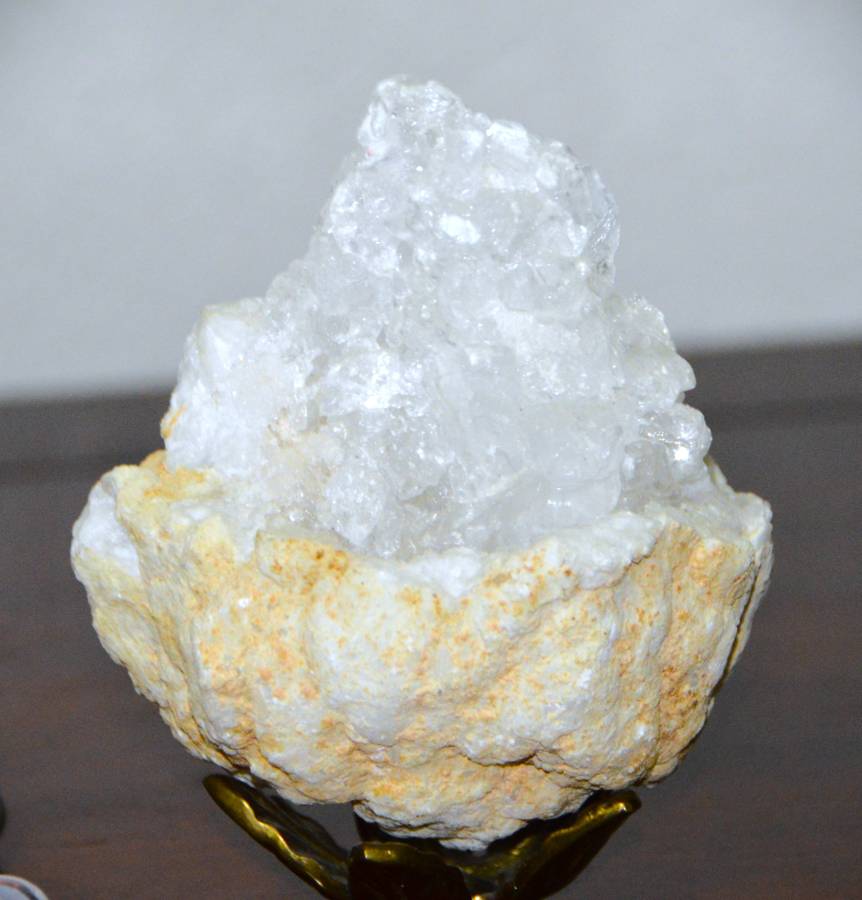
- Quartz / Crystal — common mineral with many forms
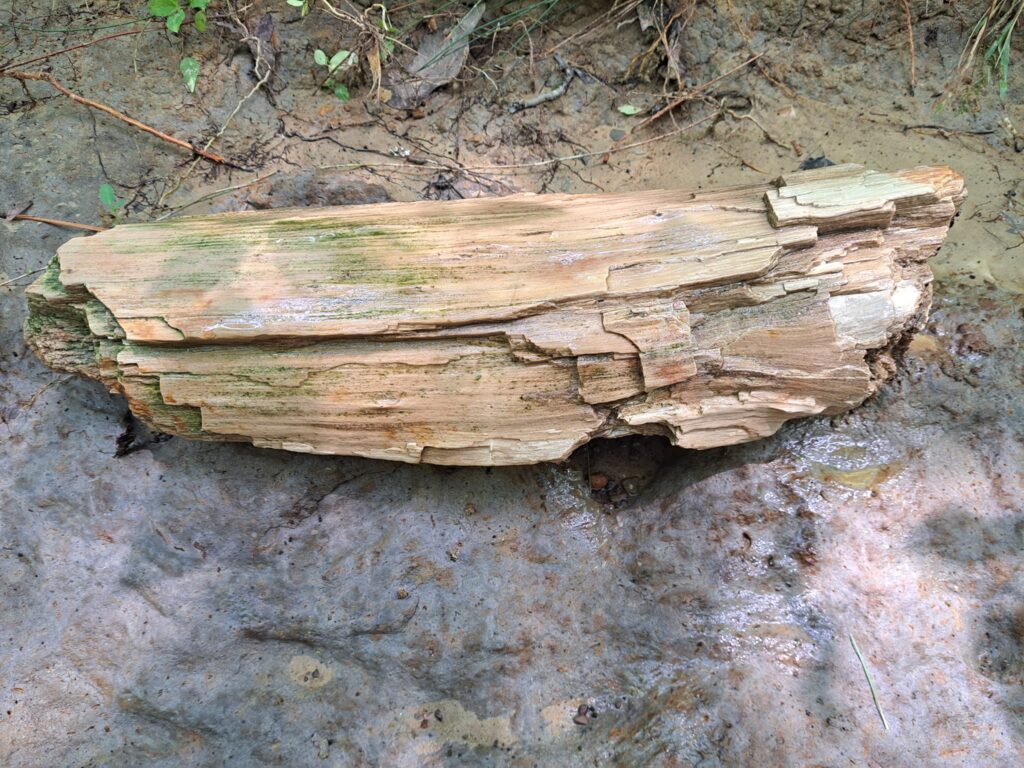
- Petrified Wood — fossil wood replaced by silica
Curator’s Picks
A small rotating selection curated by our team at Ornamental Stones.
How to Identify a Stone
- Start with color, luster, and transparency in natural light.
- Check grain size and whether you see crystals, layers, or glassy fracture.
- Test hardness (fingernail, copper, steel, glass) and note scratch behavior.
- Look for cleavage vs. fracture and any banding, fossils, or vesicles.
- Use a hand lens to confirm textures and inclusions.
- Compare to known references and record context (where found, associated rock).
Identification Methods →
Field Identification Workflow →
Mineral Properties (Field Tests) →
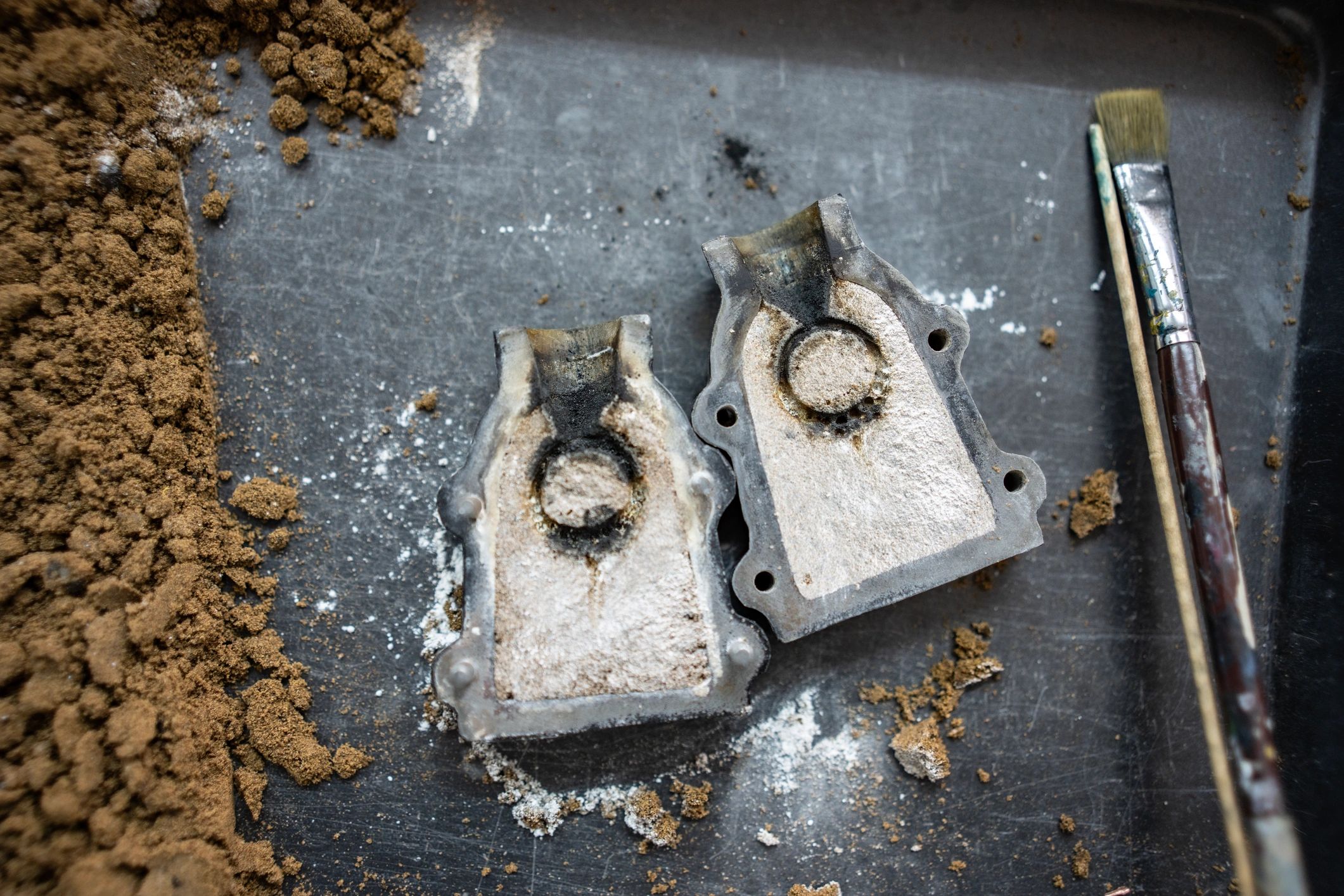
Shop: Curated by Ornamental Stones
Our shop is an extension of the encyclopedia: specimens are selected for natural beauty, durability, and learning value—so collectors, educators, decorators, aquascapers, and businesses can compare materials with confidence.